PRF vs PRP: Understanding the Difference and Choosing the Right Treatment
PRF vs PRP: Understanding the Difference and Choosing the Right Treatment
If you've been researching natural cosmetic treatments, you've probably come across two popular regenerative therapies: PRP (Platelet-Rich Plasma) and PRF (Platelet-Rich Fibrin).
At first glance, they seem almost identical. Both treatments use a small sample of your own blood, both rely on your body's natural healing abilities, and both are designed to improve skin quality and stimulate collagen production.
So what's the difference?
The answer lies in how they're prepared, how they work, and what they're best suited for.
At Dermarich Cosmetic Clinic in Richmond Hill, we frequently help clients understand which option aligns best with their concerns—whether they're looking to rejuvenate the under-eye area, improve skin texture, reduce acne scars, or support hair restoration.
This guide explains the differences in clear, practical terms so you can make an informed decision.
What Is PRP?
PRP stands for Platelet-Rich Plasma.
A small amount of blood is collected and processed in a centrifuge to separate and concentrate platelets. These platelets contain growth factors that may support tissue repair and collagen production.
PRP has been used in various areas of medicine for many years and has become a well-known option in aesthetic medicine.
Common uses include:
- Hair restoration
- Microneedling
- Facial rejuvenation
- Acne scar treatments
- Skin texture improvement
Because PRP uses your own blood, there is no risk of allergic reaction to the injected material itself.
What Is PRF?
PRF stands for Platelet-Rich Fibrin.
Like PRP, it starts with a blood sample, but it is processed differently.
PRF is spun at a lower speed without anticoagulants, allowing more platelets, white blood cells, and fibrin to remain in the final product.
The fibrin matrix helps release growth factors gradually over time rather than all at once.
How Do These Treatments Work?
Neither PRF nor PRP changes your appearance by adding artificial volume.
Instead, both treatments aim to support your body's natural healing processes.
Growth factors released from the platelets may help stimulate collagen production, improve circulation, and encourage healthier-looking skin over time.
Results develop gradually, making these treatments appealing to people seeking subtle, natural-looking rejuvenation.
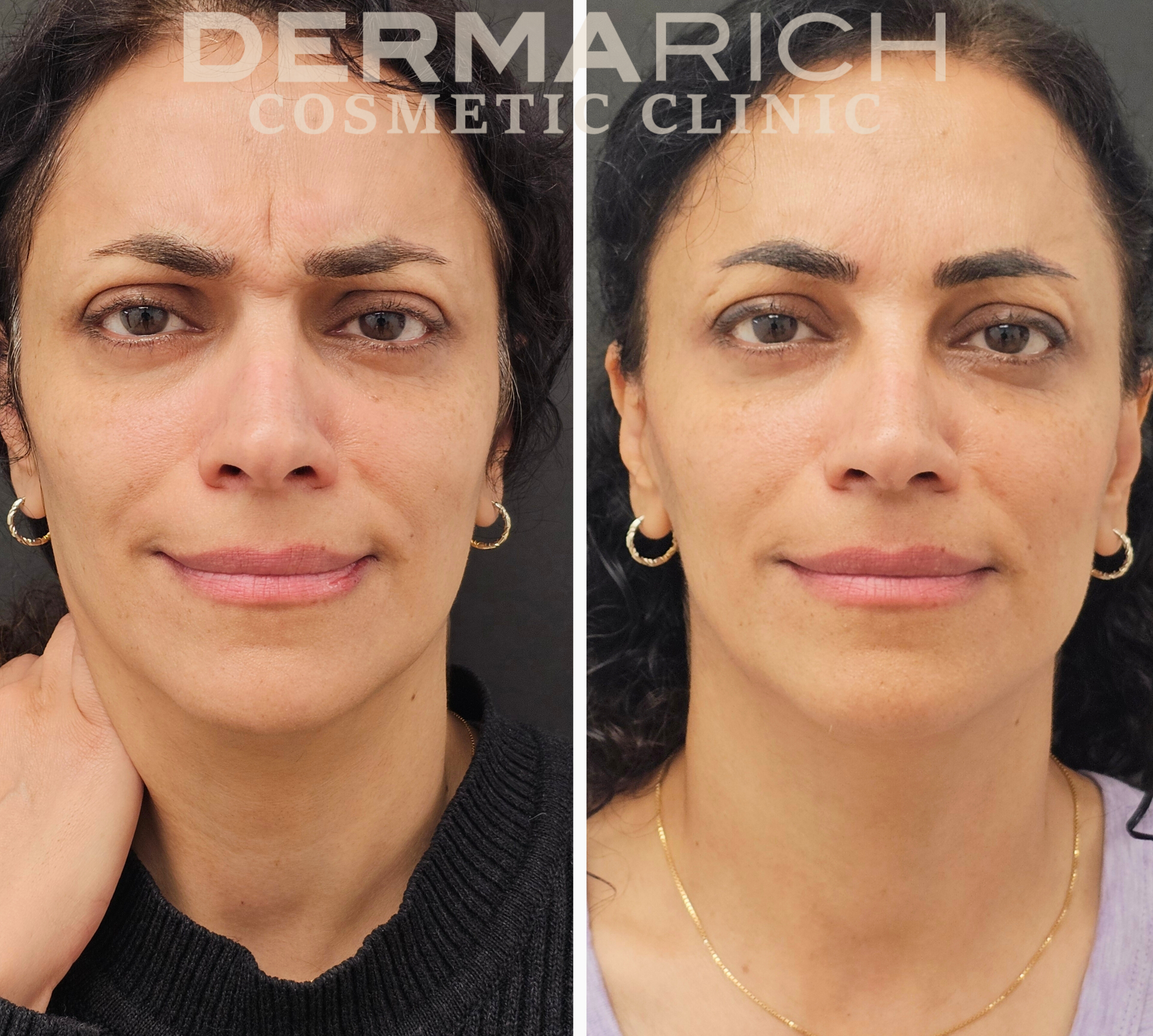
PRF for Under-Eye Rejuvenation
The delicate skin beneath the eyes is often one of the first areas to show signs of aging.
Concerns may include:
- Dark circles
- Thin skin
- Fine lines
- Mild hollowness
- Crepey texture
PRF is frequently selected for this area because of its regenerative properties and gradual release of growth factors.
It's important to remember that results vary depending on the cause of under-eye concerns, and some individuals may benefit from other treatments instead.
PRP for Hair Restoration
PRP has become one of the most widely recognized regenerative treatments for certain types of hair thinning.
Growth factors released from concentrated platelets may help support healthier hair follicles and improve hair density in appropriate candidates.
Many clinics combine PRP with a series of treatments over several months for best results.
Hair restoration outcomes vary depending on factors such as the cause and stage of hair loss.
PRF for Facial Rejuvenation
Many people choose PRF because they want gradual, natural improvements rather than dramatic changes.
Potential benefits may include:
- Improved skin quality
- Softer fine lines
- Better skin texture
- Increased collagen production
- Healthier-looking complexion
Since PRF works with your body's natural healing processes, improvements generally appear gradually over several weeks to months.
Can PRP Be Combined with Microneedling?
Yes.
One of the most common uses of PRP is alongside microneedling.
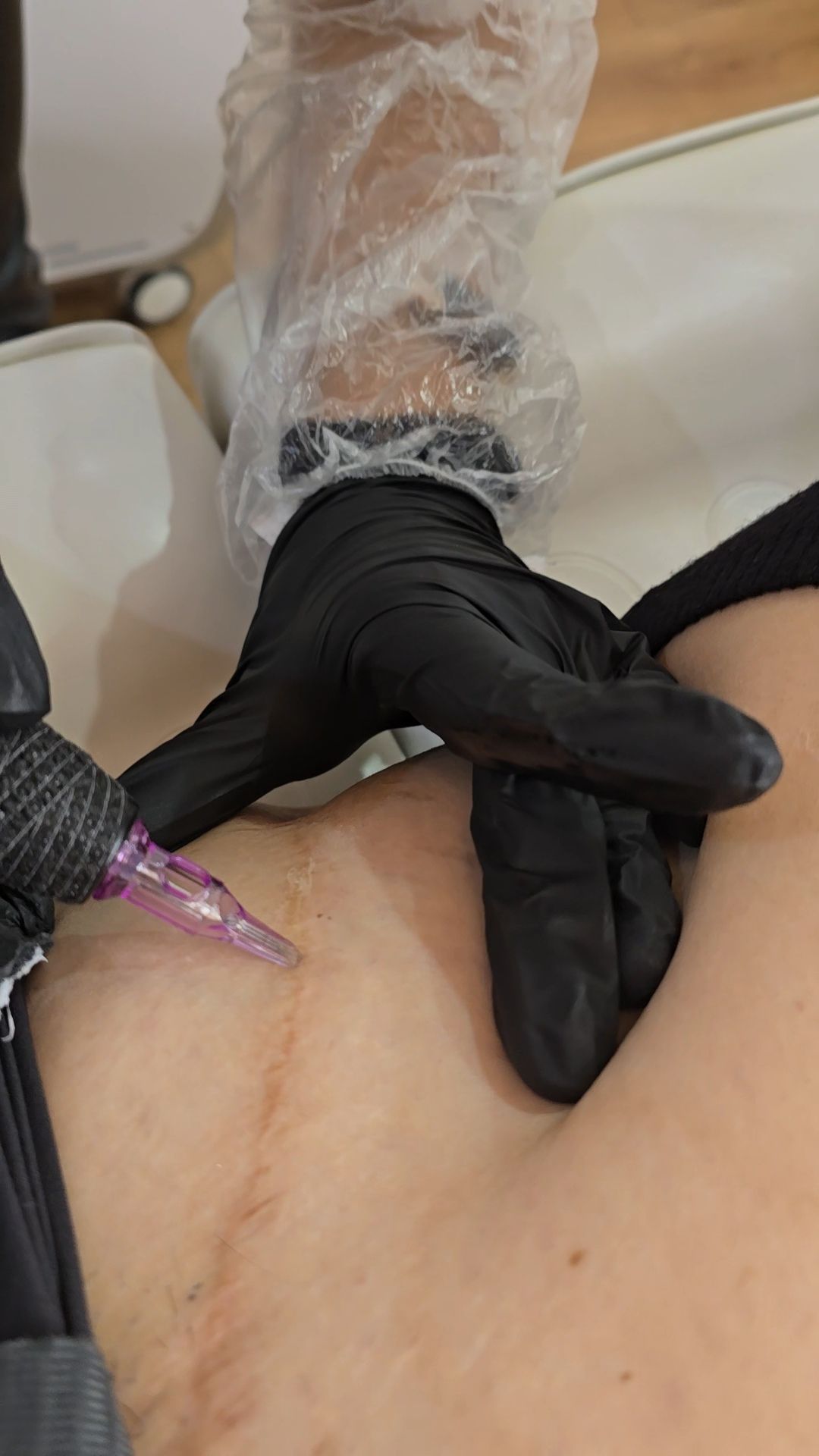
Microneedling creates controlled microchannels in the skin, while PRP is applied or introduced during the procedure to support the skin's healing response.
This combination is often chosen to improve:
- Acne scars
- Fine lines
- Texture
- Overall skin quality
Which Treatment Is Better?
There isn't a universal answer.
The right treatment depends on:
- Your goals
- The treatment area
- Your skin condition
- Your medical history
- Your provider's assessment
For example:
PRF may be considered for:
- Under-eye rejuvenation
- Facial rejuvenation
- Natural collagen stimulation
- Clients seeking regenerative treatments
PRP may be considered for:
- Hair restoration
- Microneedling procedures
- Skin rejuvenation
- Acne scar treatments
A consultation helps determine which approach is most appropriate for your individual concerns.
What Does Treatment Feel Like?
Both PRF and PRP treatments are generally well tolerated.
Depending on the treatment area, a topical numbing cream may be used to improve comfort.
You may experience mild redness, swelling, or tenderness afterward, which usually improves over the following days.
How Many Sessions Are Needed?
Treatment plans vary.
Many clients benefit from a series of sessions spaced several weeks apart, followed by maintenance treatments as recommended by their provider.
Your personalized treatment plan will depend on your goals and how your body responds.
Benefits of Regenerative Treatments
People often choose PRF and PRP because they:
- Use your body's own healing components
- Support collagen production
- Require minimal downtime
- Can complement other treatments
- Produce gradual, natural-looking improvements
Why More Clients Are Choosing Regenerative Aesthetics
Modern aesthetic medicine is increasingly focused on improving skin quality rather than simply replacing lost volume.
Regenerative treatments align with this philosophy by encouraging your body to support healthier skin naturally.
For many people, they become part of a long-term skin health plan rather than a one-time procedure.
Why Choose Dermarich Cosmetic Clinic?
At Dermarich Cosmetic Clinic, every treatment begins with a comprehensive consultation.
Rather than recommending the same procedure for everyone, we take the time to understand your goals, evaluate your concerns, and create a personalized treatment plan.
Whether you're visiting us from Richmond Hill, Vaughan, Markham, Aurora, Newmarket, North York, or elsewhere in the Greater Toronto Area, our focus is always on natural-looking, balanced results.
Frequently Asked Questions
Is PRF better than PRP?
Neither treatment is universally better. Each has advantages depending on the treatment area and your goals.
Does PRF hurt?
Most clients tolerate the procedure well. A topical anesthetic may be used for comfort when appropriate.
How long does PRF last?
Results vary depending on the individual, treatment area, and maintenance plan.
Can PRP regrow hair?
PRP may support hair growth in suitable candidates experiencing certain types of hair thinning. Results vary from person to person.
Can PRF replace dermal fillers?
PRF and dermal fillers serve different purposes. PRF focuses on skin quality and collagen stimulation, while fillers are designed to restore or enhance volume.
Is there downtime?
Most people return to normal activities within a day or two, although temporary redness or swelling may occur.
Can PRF and PRP be combined with other treatments?
Yes. Depending on your goals, they may be combined with treatments such as microneedling or incorporated into a personalized treatment plan.
Dermarich Expert Tip
One of the biggest misconceptions about regenerative treatments is expecting immediate results. PRF and PRP work differently from fillers or Botox—they rely on your body's natural healing processes. The improvements are gradual, but many clients appreciate that the outcome looks subtle and authentically refreshed rather than obviously "treated."
Ready to Discover Whether PRF or PRP Is Right for You?
If you're considering a regenerative treatment for hair restoration, under-eye rejuvenation, acne scars, or overall skin renewal, our team at Dermarich Cosmetic Clinic is here to help.
We'll assess your concerns, explain your options, and recommend a personalized treatment plan designed around your goals.
Book your consultation today to learn whether PRF or PRP is the right choice for your natural rejuvenation journey.
Share This Blog